Electric Stove Burner Not Working? Common Causes
 Burner Element | Loose Connection | Burner Switch | Power Problems | Glass Cooktop | Control Board | Warning Signs | When to call for Stove Repair
An electric stove burner that stops working can make cooking dinner frustrating. One burner may stay cold while the others work normally, or it may heat slowly and turn off without warning. Some problems have simple causes, while others involve electrical parts that need professional repair. Knowing what to check can help you figure out your next step.
Key Takeaways
- A damaged heating element is a common cause. Electric coil burners and smooth-top stoves use heating elements that can wear out or stop working.
- Electrical connections and controls can also fail. A loose connection, damaged burner switch, or control board problem may prevent a burner from heating.
- Start with safe, simple checks. If the burner continues to malfunction, sparks, or overheats, stop using it and schedule professional stove repair.
The Burner Heating Element Has Failed
The heating element is the part of your electric stove that produces heat. Traditional electric stoves use exposed metal coils, while smooth-top models have heating elements beneath the glass surface.
Over time, these elements can wear out or fail. When this happens, the burner may stop heating completely or struggle to reach the selected temperature. A damaged coil may show visible cracks, blisters, or other signs of wear. However, some heating elements fail without any obvious damage.
If only one burner stops working while the others heat normally, the heating element is one possible cause. Our guide to common stove top issues explains other problems that can affect electric and gas cooktops.
An appliance repair technician can test the element to determine whether it needs replacement.
The Burner Has a Loose or Damaged Connection
Traditional electric coil burners connect to the stove through a receptacle that supplies electricity to the heating element. If the connection becomes loose or damaged, the burner may not receive enough power to heat correctly.
You might notice that the burner works sometimes but not others. In some cases, it may stop heating completely.
Burner receptacles can also become worn or damaged from years of use. A poor electrical connection may cause overheating around the connection point.
Do not continue using a burner that sparks, smells like burning plastic, or shows signs of melted parts.
The Burner Control Switch Is Faulty
The burner control switch regulates how much heat an electric burner produces. On many traditional electric stoves, this part is called an infinite switch. It controls the power supplied to the heating element as you adjust the burner knob.
When the switch fails, the burner may stop heating, heat at the wrong level, or stay on high even when you select a lower setting. You may also notice that turning the knob no longer changes the temperature.
A faulty switch can make cooking difficult and create a safety concern if the burner becomes too hot. If your burner does not respond correctly to temperature changes, stop using it until the controls have been inspected.
You can learn more about these problems in our article on gas vs. electric stove repair tips.
Your Electric Stove Has a Power Supply Problem
Sometimes the burner itself is not the problem. The stove may not be receiving the power it needs.
Electric ranges commonly use a 240-volt electrical supply for their heating elements. If part of that supply is interrupted, the stove may behave strangely. For example, the clock or display might still work even though the burners do not heat. A tripped breaker, damaged wiring, or another electrical issue could be responsible.
Check your home’s electrical panel for a tripped breaker. If the breaker has tripped repeatedly, do not keep resetting it. Repeated breaker trips may indicate a serious electrical problem that needs professional attention.
If several burners stop working at the same time, a power supply issue becomes more likely than several heating elements failing together.
A Smooth-Top Stove Has a Damaged Heating Element
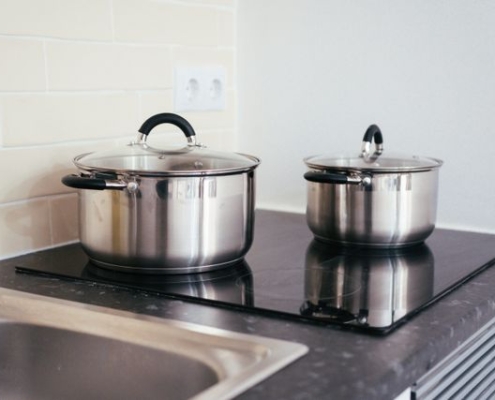
Smooth glass cooktops work differently from traditional coil stoves. Most standard electric glass cooktops use radiant heating elements beneath the glass. These elements produce heat that passes through the cooking surface and warms your cookware.
Because the elements are hidden, you cannot easily inspect them for damage. A failed radiant element may leave one cooking zone completely cold while the other zones continue working.
Some burners also have multiple heating rings. If one ring works but another does not, the problem may involve the element or its controls. A cracked glass surface is another concern. Do not use a cooktop with cracked glass because spills and moisture can reach electrical parts beneath the surface.
Our article on the most common cooktop problems explains other warning signs homeowners should recognize.
The Stove Control Board Is Malfunctioning
Many newer electric stoves use electronic controls to manage their heating functions. These controls may include touch panels, sensors, and circuit boards that help operate the burners.
If a control board develops a problem, one or more burners may stop responding. You might notice an error code, a burner that turns off unexpectedly, or controls that do not respond when pressed. Control problems can also affect multiple cooking zones at once.
Before assuming the control board has failed, check whether the stove has an active control lock or child lock feature. Some models prevent the burners from operating when this setting is enabled.
If the controls are unlocked and the stove still does not respond, professional testing may be needed.
Signs Your Electric Stove Burner Needs Repair
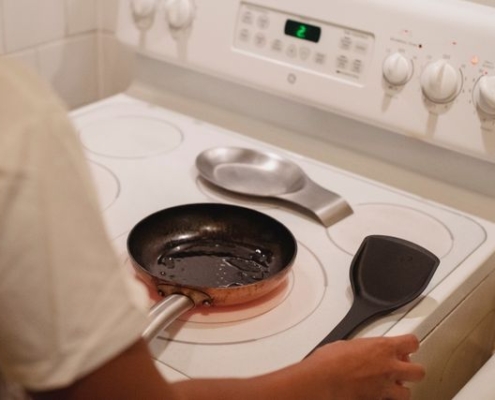
An electric burner that does not heat is an obvious problem, but other warning signs can appear before it stops working completely.
Watch for these changes:
- The burner takes much longer than normal to heat.
- The burner gets too hot or does not respond to temperature changes.
- One heating ring works while another stays cold.
- The burner turns off unexpectedly.
- The stove displays repeated error codes.
- You notice sparks, smoke, or an electrical burning smell.
A burner that overheats or produces sparks should not be used until it has been inspected.
Small performance changes can also be worth checking. A burner that heats unevenly or takes longer to boil water may have a developing problem. Addressing these symptoms early may help prevent further damage to the stove.
When to Call for Electric Stove Repair
Start by checking whether the problem affects one burner or the entire cooktop. If only one burner is not heating, the issue may involve the heating element, receptacle, or control switch. If several burners are not working, the power supply or electronic controls may need attention.
You can also check whether a control lock is enabled and look for an error code on the display. Avoid opening the stove or testing internal electrical components yourself. Electric ranges use high-voltage connections that can cause serious injury.
If the burner still will not heat after basic checks, a professional technician can test the components and find the cause.
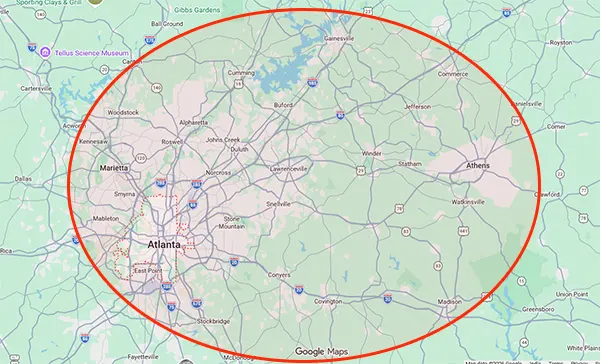
Comfort Appliance Repair provides electric stove and cooktop repair throughout Covington, Buford, Lawrenceville, Atlanta, and surrounding Georgia communities. Our appliance repair technicians can diagnose heating problems and help get your stove working properly again.
Call (678) 480-5406 to schedule service. If you need Atlanta electric stove repair because a burner will not heat or the controls are not working, Comfort Appliance Repair can help.
By Dennis Godynuk, Owner of Comfort Appliance Repair
Dennis Godynuk is the owner of Comfort Appliance Repair in Covington, GA. Comfort Appliance provides fast and reliable repair services for all major household appliances. Dennis and his team of experienced technicians can tackle any problem, from broken refrigerators to malfunctioning dishwashers, and their prices are very competitive. Customers can rest easy knowing that their appliances are in good hands when they call Comfort Appliance Repair.