Why Your Commercial Freezer Is Building Up Ice
 Door Seals | Frequent Door Opening | Defrost Problems | Blocked Airflow | Drain Problems | Temperature Settings | Warning Signs | When to Schedule Freezer Repair
Ice buildup inside a commercial freezer can cause problems for restaurants, grocery stores, and other businesses that depend on frozen food storage. A little frost may appear during normal use, but thick ice on the walls, shelves, or cooling components can signal a problem. If you ignore the buildup, your freezer may struggle to maintain the right temperature, use more energy, or stop working properly.
Key Takeaways
- Warm air is a common cause of ice buildup. Damaged door seals, doors left open, and frequent opening can allow moisture into the freezer, where it turns into frost.
- Defrost and airflow problems can make ice worse. A failed defrost component, blocked vent, or drainage problem can cause ice to collect inside the appliance.
- Heavy ice buildup should be checked early. Finding the cause can help protect stored food, reduce strain on the freezer, and prevent an unexpected breakdown.
Damaged Door Seals Let Warm Air Inside
A damaged door gasket is one of the most common reasons a commercial freezer builds up ice. The gasket is the rubber seal around the freezer door. It helps keep cold air inside while preventing warm, moist air from entering.
Over time, these seals can become cracked, loose, dirty, or worn. When the door no longer closes tightly, moisture can enter the freezer and freeze on nearby surfaces. You may notice thick frost around the door frame or ice forming along one side of the freezer.
Check the gasket for visible damage and food debris. Clean it according to the manufacturer’s instructions and make sure the door closes completely. If the seal is torn or no longer fits correctly, it may need replacement. A damaged gasket can make the freezer work harder and increase energy use.
Frequent Door Opening Causes Frost Buildup
Commercial freezer doors are opened many times during a busy workday. Restaurant employees may need frozen ingredients throughout lunch and dinner service. Every time the door opens, warm air enters the freezer.
That warm air contains moisture. When the moisture reaches the cold interior, it can turn into frost. Frequent opening can create more ice than the freezer’s normal defrost system can handle, especially in a warm or humid kitchen.
Employees should avoid leaving the door open while gathering ingredients. Organizing frozen products can also help staff find what they need faster. Make sure boxes and containers do not prevent the door from closing. Even a small gap can allow moisture to enter for hours.
The Automatic Defrost System Is Not Working
Many commercial freezers use an automatic defrost system to control frost on the evaporator coils. The system removes frost at set times so air can continue moving through the freezer.
If a defrost component fails, ice may begin collecting around the evaporator. Over time, the buildup can block airflow and affect cooling performance.
Possible causes include a failed defrost heater, temperature sensor, thermostat, or control component. You may notice thick ice behind an interior panel, reduced airflow, or temperatures that are warmer than normal.
Removing visible ice does not repair a failed defrost system. The frost may return because the underlying problem remains. A commercial appliance company can test the defrost components and determine which part needs repair.
Blocked Airflow Can Make Ice Problems Worse
Commercial freezers need steady airflow to keep stored products at the correct temperature. Fans move cold air through the appliance, while vents allow that air to circulate around food and storage areas.
When boxes, containers, or frozen products block the vents, airflow becomes restricted. Some areas may become colder than others, and moisture can collect or freeze in places where it normally would not.
A failing evaporator fan can create similar problems. If the fan stops moving air properly, the freezer may struggle to maintain an even temperature.
If ice buildup continues despite proper loading, the fan or another cooling component may need attention.
A Clogged Defrost Drain Can Cause Ice
During a normal defrost cycle, melted frost needs somewhere to go. Many commercial freezers use a drain to carry this water away from the cooling area.
If the drain becomes blocked by debris or ice, water may collect inside the freezer instead of flowing away. That water can freeze again, creating thick ice on the bottom of the cabinet or around the drain area.
You may notice a sheet of ice forming on the freezer floor or water collecting near the appliance. Do not chip away thick ice with knives or other sharp tools. You could damage the freezer’s interior, drain components, or refrigerant lines.
An appliance repair technician can inspect the drain system, clear the blockage, and check whether another problem is causing the drain to freeze repeatedly.
Incorrect Temperature Settings Can Affect Performance
A commercial freezer needs the correct temperature setting to protect stored food.
For most frozen food storage, a temperature of 0°F or below is recommended. However, the correct setting may depend on the appliance, the food being stored, and applicable food safety requirements.
Setting the temperature much colder than necessary can increase energy use and place extra demand on the cooling system.
A faulty temperature sensor or control can also cause problems. The freezer may run longer than expected or fail to maintain a steady temperature.
Check the temperature using a reliable thermometer rather than relying only on the display. If the actual temperature does not match the setting, the appliance may have a control or cooling problem.
Signs Ice Buildup Is Becoming a Serious Problem
A small amount of frost does not always mean your commercial freezer needs repair. However, repeated or heavy buildup should not be ignored.
Watch for these warning signs:
- Thick ice forms on walls, shelves, or interior panels.
- Frost returns shortly after it is removed.
- The freezer door becomes difficult to close.
- Ice collects around the evaporator or air vents.
- The freezer runs constantly or makes unusual noises.
- Stored food begins to soften or temperatures rise.
These symptoms may indicate that the freezer is struggling to operate correctly.
Heavy ice can restrict airflow and make the cooling system work harder. It may also interfere with door seals and reduce usable storage space.
If temperatures rise above safe storage levels, follow your business’s food safety procedures. Do not assume food is safe simply because some ice remains inside the freezer.
When to Schedule Commercial Freezer Repair
 Start with simple checks. Make sure the door closes tightly, inspect the gasket, and confirm that products are not blocking airflow. Check the temperature and look for signs of ice around the door, drain, or cooling panels.
If the freezer continues building up ice, the problem may involve the defrost system, evaporator fan, temperature controls, or another internal component. Professional repair is especially important when ice returns quickly, temperatures become unstable, or the freezer struggles to keep food frozen.
Do not wait for a complete breakdown before addressing these symptoms. Restaurant owners can also benefit from following a regular appliance maintenance schedule to catch developing problems before they interrupt daily operations.
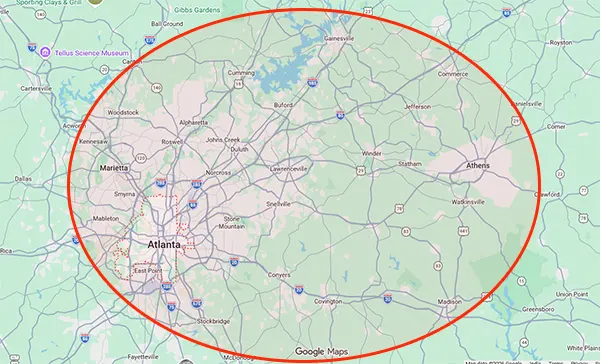
Comfort Appliance Repair provides commercial freezer and kitchen appliance repair throughout Covington, Buford, Lawrenceville, Atlanta, and surrounding Georgia communities.
If your commercial freezer is building up ice, struggling to maintain temperature, or running constantly, our team can help identify the problem and recommend the right repair.
Call (678) 480-5406 to schedule service. For dependable commercial freezer repair in Atlanta, contact Comfort Appliance Repair before ice buildup leads to a larger equipment problem.
By Dennis Godynuk, Owner of Comfort Appliance Repair
Dennis Godynuk is the owner of Comfort Appliance Repair in Covington, GA. Comfort Appliance provides fast and reliable repair services for all major household appliances. Dennis and his team of experienced technicians can tackle any problem, from broken refrigerators to malfunctioning dishwashers, and their prices are very competitive. Customers can rest easy knowing that their appliances are in good hands when they call Comfort Appliance Repair.