Why Does My Oven Smell Like Gas?
 Gas Smell When Starting Oven | Gas Leaks | Igniter Problems | Burner Issues | Gas Connections | What to Do | Oven Repair | Get Your Gas Oven Working Safely
A gas smell coming from your oven can be concerning, especially when you are preparing a meal. A brief odor during ignition may occur with some gas ovens, but a strong or lingering gas smell is a warning sign. Understanding what causes the smell can help you recognize a possible problem and know when to stop using your oven.
Key Takeaways
- A brief gas smell during ignition can happen. However, a strong smell, one that lasts, or one that occurs when the oven is off may signal a problem.
- Igniter problems and gas leaks need attention. A weak igniter, damaged gas connection, or faulty valve can prevent your oven from working safely.
- Never ignore a strong gas odor. Leave the area, avoid electrical switches and open flames, and contact your gas provider or emergency services from a safe location.
Is It Normal to Smell Gas When Starting an Oven?
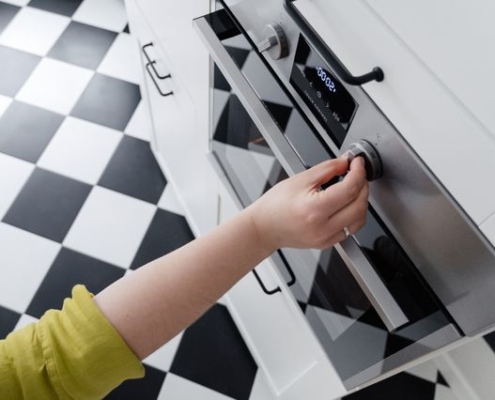
Some gas ovens may release a small amount of unburned gas during the ignition process. This can create a brief odor when the oven first starts.
However, the smell should not be strong or continue after the burner lights. A noticeable gas odor that lingers is not something to treat as normal.
If you regularly smell gas when starting your oven, the ignition system may not be working correctly. The burner might be taking too long to light, allowing gas to collect before ignition.
Pay attention to changes in how your oven operates. A new gas smell, delayed ignition, or unusual sound can indicate that something needs repair. If the smell is strong or does not go away, stop using the oven and follow gas safety procedures immediately.
A Gas Leak May Be Causing the Smell
A gas leak is one of the most serious possible causes of a gas smell near your oven.
Gas can escape from damaged connections, loose fittings, faulty valves, or other parts of the gas supply system. A leak may occur while the oven is operating or even when it is turned off.
Natural gas is given a strong odor so people can recognize a possible leak. Many people describe the smell as similar to rotten eggs.
If you notice a strong gas smell, do not try to find or repair the leak yourself. Do not use the oven, turn electrical switches on or off, or operate anything that could create a spark.
Leave the building and contact your gas provider or emergency services from a safe location. Do not return until the area has been declared safe. Gas leaks require immediate attention and should never be treated as a routine appliance problem.
The Oven Igniter Is Not Working Properly
The igniter is an important part of your gas oven. It helps light the burner so the oven can begin heating. In many gas ovens, the igniter must become hot enough to allow the gas valve to open and ignite the gas.
Over time, an igniter can become weak or fail. This may cause delayed ignition or prevent the burner from lighting. You might notice that the oven takes longer than usual to heat up or does not heat at all. In some cases, ignition problems may also cause an unusual gas odor.
A faulty igniter should be inspected rather than ignored. Our guide on why your oven isn’t heating properly explains other common problems that can affect oven performance.
A repair technician can test the ignition system and determine whether the igniter or another component needs replacement.
Dirty or Damaged Burners Can Cause Problems
Your gas oven uses burners to produce the heat needed for cooking. Over time, grease, food particles, and other debris can collect around burner openings. This buildup may interfere with proper ignition or flame distribution.
A damaged burner can also affect how gas burns inside the oven. You may notice uneven heating, unusual burner sounds, or changes in how quickly the oven reaches the selected temperature.
Keeping your oven clean can help reduce buildup, but internal burner repairs should be handled by a qualified technician. If your oven has been heating unevenly or taking longer to cook food, our article on common oven range problems and how to fix them covers other possible causes.
Never attempt to clean or adjust gas burner components while the oven is operating.
A Faulty Gas Valve or Connection
Gas ovens use valves to control the flow of gas to the burners. If a valve becomes damaged or fails to operate correctly, it may affect the oven’s ability to ignite and heat safely.
Gas connections can also develop problems over time. Movement of the appliance, damaged fittings, or worn components may contribute to leaks. A gas odor when the oven is turned off is especially concerning because it may indicate gas escaping when it should not be flowing.
Do not attempt to tighten connections, replace valves, or disconnect gas lines yourself.
What to Do If Your Oven Smells Like Gas
The most important step is to take the smell seriously. If you notice a strong gas odor, an odor that continues, or a gas smell when the oven is off, leave the building immediately. Do not try to relight the oven or test whether the smell returns.
Avoid using electrical switches, phones inside the affected area, matches, candles, or other sources of ignition. Once you are outside and away from the building, contact your gas provider or emergency services. Follow their instructions before returning.
Even if the smell disappears, do not assume the problem has been fixed. Have the gas system checked before using the appliance again.
For other oven safety concerns, our guide on safety tips to follow during oven repair explains why certain appliance problems should be handled by professionals.
When to Schedule Professional Oven Repair
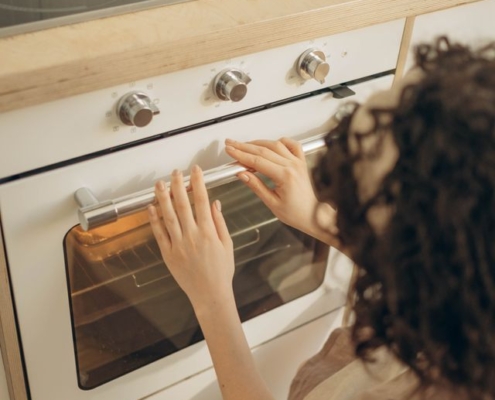
Not every oven problem involves a gas leak, but gas-related symptoms should always be addressed carefully. After a suspected gas leak has been ruled out and the area is safe, an appliance repair technician can inspect problems involving ignition, heating, burners, or oven controls.
Other signs that your oven may need repair include delayed ignition, unusual clicking, inconsistent temperatures, or an oven that fails to heat properly. An experienced technician can test the appropriate components and identify what is causing the problem.
If your oven has several issues or is getting older, you may also want to consider whether repair or replacement makes more sense.
Our guide on quick fixes for a malfunctioning stove and when to call a professional can help you understand which appliance problems require additional attention.
Get Your Gas Oven Working Safely Again
A gas smell from your oven may be related to ignition problems, damaged burners, faulty valves, or a gas leak. While a brief odor during startup can occur with some models, a strong or lasting smell needs immediate attention.
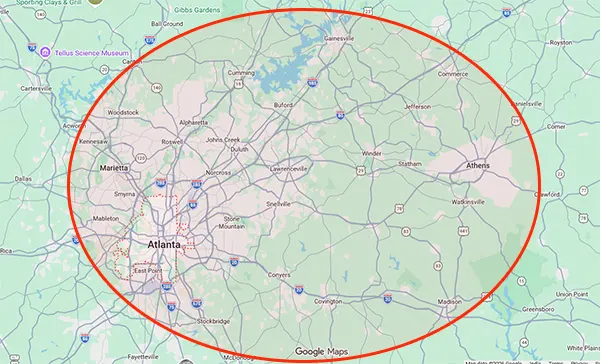
Comfort Appliance Repair provides oven and stove repair throughout Covington, Buford, Lawrenceville, and surrounding Georgia communities. Our technicians can diagnose heating and ignition problems and determine what repairs your oven needs.
If you need Atlanta oven repair because your gas oven is not heating correctly or has ignition problems, Comfort Appliance Repair can help get your appliance working properly again.
By Dennis Godynuk, Owner of Comfort Appliance Repair
Dennis Godynuk is the owner of Comfort Appliance Repair in Covington, GA. Comfort Appliance provides fast and reliable repair services for all major household appliances. Dennis and his team of experienced technicians can tackle any problem, from broken refrigerators to malfunctioning dishwashers, and their prices are very competitive. Customers can rest easy knowing that their appliances are in good hands when they call Comfort Appliance Repair.