Front Load Washer Not Spinning Properly
 Unbalanced Load | Overloading | Drainage Problems | Door Lock | Too Much Detergent | Drive System | Suspension Parts | Washer Repair | Prevent Spin Problems
A front load washer that does not spin properly can leave you with soaking wet clothes and a laundry cycle that never seems to finish. The washer may spin slowly, stop before the final spin, or refuse to spin at all. Some causes are easy to fix, while others may require professional washer repair.
Key Takeaways
- Start with the load and drainage. An unbalanced load, too many clothes, or water that cannot drain can prevent a front load washer from reaching its full spin speed.
- Watch for other warning signs. Loud banging, standing water, error codes, or a door that will not lock can help point to the source of the problem.
- Repeated spin problems may need repair. A faulty drain pump, door lock, drive component, or suspension part may require professional service.
The Washer Load Is Unbalanced
An unbalanced load is one of the first things to check when a front load washer will not spin correctly.
Heavy items such as towels, blankets, and sweatshirts can collect on one side of the drum. When the washer tries to spin, the uneven weight can cause excessive movement. Many modern washers detect this problem and slow down or stop the spin cycle to protect the machine.
Pause the washer and rearrange the clothing. If you are washing one large item, adding a few smaller items may help balance the load.
If your washer regularly shakes or bangs even with normal loads, something else may be wrong. Our guide on why your washing machine is shaking violently explains other causes worth checking.
The Washer Is Overloaded
Putting too many clothes in your washer can also interfere with the spin cycle. A front load washer needs enough room for clothing to move inside the drum. A tightly packed washer has to work harder and may struggle to balance the load at high speeds.
An overloaded washer may spin slowly, repeatedly try to redistribute the clothes, or stop the cycle completely. Try removing some items and running the spin cycle again. If the washer works normally with a smaller load, overloading may have caused the problem.
The Washer Is Not Draining Properly
A washer that cannot drain properly may also refuse to spin. Before the final spin cycle, the washer needs to remove most of the water from the drum. If water remains inside, the machine may slow down or prevent the final spin from starting.
A clogged drain filter is one possible cause. Coins, lint, small clothing items, and other debris can sometimes block the filter. The drain hose may also become clogged or bent. In other cases, the drain pump may be failing.
The Door Is Not Locking
A front load washer needs to know that its door is securely locked before it begins a high-speed spin. This is an important safety feature. If the washer thinks the door is open, it may wash normally at first but refuse to enter the final spin cycle.
Check that clothing is not caught between the door and the gasket. Make sure the door closes completely and listen for the lock engaging after you start the cycle.
A damaged latch or door lock assembly can prevent the washer from detecting that the door is secure. You may also see a door-related error code on the display.
Too Much Detergent Is Being Used
More detergent does not mean cleaner clothes. Using too much detergent can create excessive suds, especially in a high-efficiency front load washer.
Your washer may spend extra time trying to remove the suds. Use detergent made for high-efficiency washers if your machine requires it, and follow the recommended amount for the size of your load.
Too much detergent can also leave residue inside the washer. Over time, this buildup may contribute to odors and other performance problems. Our tips for making the most of laundry day cover other simple ways to help your washer work properly.
The Drive System Has a Problem
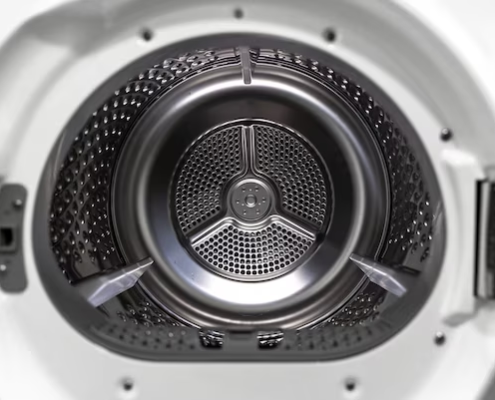
Your washer uses a drive system to turn the drum. The exact parts depend on the brand and model. A washer may use a motor, belt, pulley, or other components to create the movement needed for washing and spinning.
If one of these parts becomes worn or damaged, the drum may turn during the wash cycle but struggle when it needs to reach a higher spin speed. You might hear humming, squealing, grinding, or another unusual sound. The drum may start spinning and then stop, or it may not move at all.
Internal drive problems usually require more than basic troubleshooting. The washer should be inspected to determine which component has failed before parts are replaced.
Worn Suspension Parts Can Affect the Spin Cycle
Front load washers have parts that support and control the drum as it moves. These parts become especially important during a high-speed spin cycle. If the suspension system becomes worn, the drum may move much more than it should.
You may hear loud banging or notice the washer shaking strongly. The machine may also have trouble balancing loads that never caused problems before. Do not ignore severe shaking. Continued movement can put extra stress on hoses, bearings, the drum, and other washer parts.
A washer that suddenly becomes much louder or less stable should be checked before the problem causes additional damage.
When to Call for Front Load Washer Repair
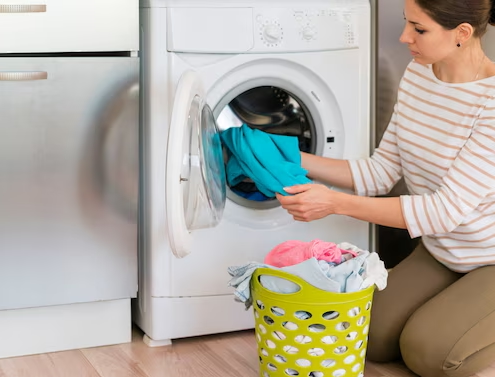
Start with simple possibilities before assuming the washer needs a major repair. Rearrange the load, remove some clothing if the machine is overloaded, and check whether water remains inside the drum. Make sure the door also closes and locks properly.
If the washer still will not spin, the problem may involve the drain pump, door lock, motor, suspension system, or another internal component.
If you are considering opening the appliance yourself, read our guide on whether washing machines are easy to fix first. Simple troubleshooting may be safe for homeowners, but internal washer repairs can involve electrical and mechanical parts that need proper testing.
How to Prevent Front Load Washer Spin Problems
Good laundry habits can help reduce stress on your front load washer. Avoid packing the drum too tightly and try to balance heavy items with other clothing. Use the correct amount of high-efficiency detergent and clean the drain filter according to the manufacturer’s instructions.
Check pockets before every load. Coins, hair clips, and other small items can enter areas of the washer where they may cause drainage or mechanical problems.
It also helps to notice changes in performance. A washer that begins taking longer to finish, makes new sounds, shakes more than usual, or leaves clothes wetter than before may be showing an early sign of a problem.
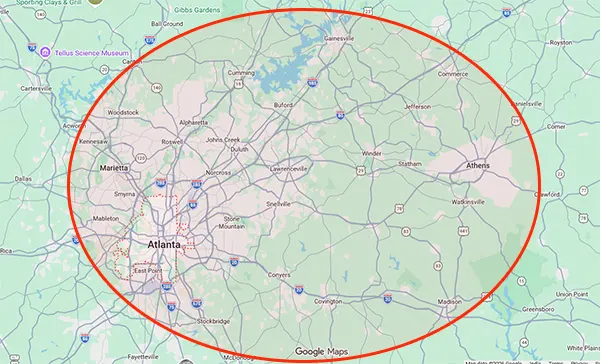
Comfort Appliance Repair in Covington provides washer repair throughout Buford, Lawrenceville, and surrounding Atlanta communities. If you need Atlanta washer repair because your front load washing machine will not spin correctly, Comfort Appliance Repair can help get your washer working properly again.
By Dennis Godynuk, Owner of Comfort Appliance Repair
Dennis Godynuk is the owner of Comfort Appliance Repair in Covington, GA. Comfort Appliance provides fast and reliable repair services for all major household appliances. Dennis and his team of experienced technicians can tackle any problem, from broken refrigerators to malfunctioning dishwashers, and their prices are very competitive. Customers can rest easy knowing that their appliances are in good hands when they call Comfort Appliance Repair.