Strange Noises Coming From Your Oven? Here’s What They Mean
 Ovens are not silent, but they should not be loud, sharp, or alarming. If your oven starts making strange noises, it is usually trying to tell you something is wrong. Many homeowners ignore these sounds until the oven stops working or becomes unsafe. Paying attention early can help prevent bigger problems, higher repair bills, or safety risks.
Below are the most common sounds homeowners hear, what causes them, and when it is time to search for professional oven repair near me.
Article Summary:
- Buzzing or Humming Sounds
- Clicking When the Oven Turns On or Off
- Popping or Cracking Noises
- Rattling or Vibrating Sounds
- Loud Fan Noise During Baking
- Screeching or High-Pitched Sounds
- Popping Sounds From a Gas Oven Burner
- Thumping or Banging Noises
- Why You Should Not Ignore Oven Noises
- How Appliance Maintenance Helps Prevent Noises
1. Buzzing or Humming Sounds
A steady buzzing or humming noise often points to an electrical issue. This sound may come from the control board, wiring, or internal electrical parts. Electric ovens may buzz when power is not flowing correctly or when a component starts to fail.
If the buzzing continues when the oven is off or gets louder over time, stop using the appliance. Electrical issues can cause short circuits or damage other parts. This is a common reason homeowners call for Covington oven repair, especially when breakers trip or lights flicker.
2. Clicking When the Oven Turns On or Off
Clicking noises usually come from relays or ignition systems. In gas ovens, a few clicks during startup are normal. Repeated clicking without ignition is not.
Constant clicking may mean the igniter is weak or the gas valve is not opening properly. Electric ovens may also click when internal relays fail. At this stage, professional appliance repair is the safest option.
3. Popping or Cracking Noises
Light popping sounds can happen as metal heats and cools. This is normal. Loud cracks or sharp popping sounds are not.
These louder noises may come from damaged heating elements, loose panels, or failing insulation. Many homeowners searching for oven repair near me report this sound before the oven stops heating evenly.
4. Rattling or Vibrating Sounds
Rattling usually means something is loose inside the oven. Common causes include fan blades, screws, trays, or internal panels. In convection ovens, vibration often signals a worn fan motor.
If the oven shakes or rattles during use, continued operation can cause more damage and higher repair costs.
5. Loud Fan Noise During Baking
Cooling and convection fans are common in modern ovens. A soft airflow sound is normal. Grinding, whining, or roaring noises are not.
These sounds usually point to debris in the fan or a failing motor. Fan issues are a frequent reason for appliance repair calls, especially when noise increases during long bake cycles.
6. Screeching or High-Pitched Sounds
High-pitched screeching often comes from worn motor bearings. This sound may start quietly and grow louder with each use.
If ignored, the fan motor may fail completely, leading to overheating. This is a strong sign you need professional oven repair near me before the oven shuts down.
7. Popping Sounds From a Gas Oven Burner
Gas ovens may make small pops during ignition. Loud pops or delayed ignition are not normal.
Delayed ignition allows gas to build up before lighting, creating a sudden popping sound. This is a safety issue and should be handled quickly by a trained technician. Many oven repair calls involve gas ignition problems that should never be ignored.
8. Thumping or Banging Noises
Thumping or banging sounds may come from expanding oven walls, loose mounts, or damaged racks shifting during heat cycles.
If these noises happen every time the oven heats up, stop using it. Continued use can damage internal components and increase the risk of failure.
9. Why You Should Not Ignore Oven Noises
 Strange noises often connect to larger issues found in the most common oven and range problems. Ignoring early warning signs allows small problems to grow into major repairs or full appliance replacement.
Ovens involve high heat, electricity, and gas. Safety should always come first. Before attempting any inspection or reset, review important safety tips during oven repair to avoid injury or damage.
10. How Appliance Maintenance Helps Prevent Noises
Many oven noises start because of poor maintenance. Grease buildup, loose parts, and worn components strain the system over time. Following a regular care routine, like the steps outlined in how to maintain your oven, helps extend appliance life and reduce unexpected noise issues.
Simple habits like cleaning spills, checking racks, and scheduling inspections can prevent many of the sounds homeowners worry about. If your oven makes new, loud, or repeating noises, it is time to call a professional. DIY fixes often miss the real problem and can make the situation worse.
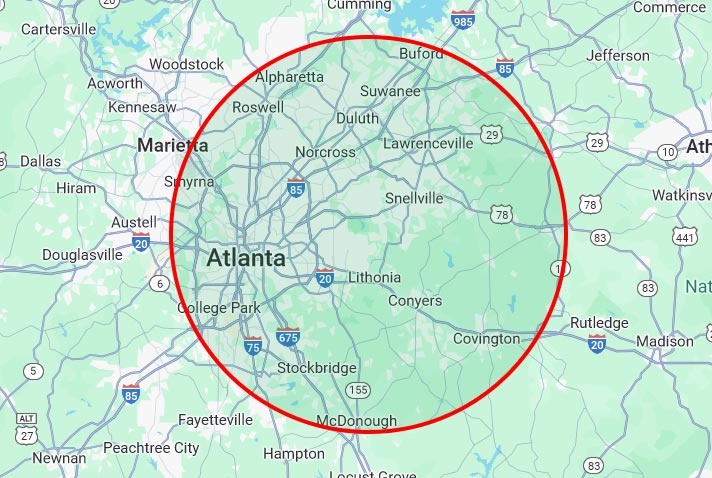
That is when many homeowners trust Comfort Appliance Repair for dependable Covington oven repair. Our team provides safe, reliable service for anyone searching for oven repair near me, helping keep kitchens quiet, safe, and working the way they should. If you are located in the Covington or Atlanta area and struggle with a loud oven, don’t hesitate to call our team for fast, reliable service.
By Dennis Godynuk, Owner of Comfort Appliance Repair
Dennis Godynuk is the owner of Comfort Appliance Repair in Covington, GA. Comfort Appliance provides fast and reliable repair services for all major household appliances. Dennis and his team of experienced technicians can tackle any problem, from broken refrigerators to malfunctioning dishwashers, and their prices are very competitive. Customers can rest easy knowing that their appliances are in good hands when they call Comfort Appliance Repair.