LG Refrigerator Not Cooling: What to Check First
 Few appliance problems are more frustrating than opening your refrigerator and realizing your food is no longer cold. If your LG refrigerator is not cooling properly, acting quickly can help prevent food spoilage and keep a small issue from turning into a costly repair.
Some cooling problems have simple solutions, while others require professional appliance repair. Knowing what to check first can help you narrow down the cause and determine your next step.
Article Summary
- Check the Temperature Settings
- Inspect the Condenser Coils
- Make Sure Air Vents Are Not Blocked
- Check the Door Seal
- Listen for the Evaporator Fan
- Look for Frost Buildup
- Consider Compressor or Sealed System Problems
- When to Call for Refrigerator Repair
- Keep Your LG Refrigerator Running Properly
- Get Your Refrigerator Cooling Again
1. Check the Temperature Settings
Before assuming something has broken, check your refrigerator’s temperature settings. Sometimes the controls are accidentally changed while cleaning or putting away groceries. A power outage can also reset the settings on some LG models.
For most refrigerators, the recommended temperatures are:
- Refrigerator: 35–38°F
- Freezer: 0°F
If the settings are too warm, adjust them and allow the refrigerator up to 24 hours to stabilize. If the temperature is correct but the refrigerator still is not cooling, continue checking the other possible causes.
2. Inspect the Condenser Coils
Dirty condenser coils are one of the most common reasons a refrigerator struggles to stay cold. The coils release heat from the refrigerator. When they become covered with dust, dirt, or pet hair, the cooling system has to work much harder.
Signs of dirty coils include:
- Refrigerator running constantly
- Poor cooling performance
- Warm temperatures around the appliance
- Higher energy bills
Cleaning the condenser coils every few months can improve efficiency and help prevent unnecessary wear.
3. Make Sure Air Vents Are Not Blocked
Cold air must move freely between the freezer and refrigerator compartments. If food blocks the vents, airflow becomes restricted and the refrigerator section may warm up even though the freezer is still cold.
Look for:
- Food pushed against the back wall
- Overpacked shelves
- Ice blocking air vents
Leaving space around the vents allows cold air to circulate properly throughout the refrigerator. If your freezer is still working while the refrigerator is warm, our article on refrigerator not cooling but freezer works explains why airflow problems are often the cause.
4. Check the Door Seal
The door gasket creates an airtight seal that keeps cold air inside. If the seal becomes cracked, torn, or loose, warm air can enter the refrigerator and force it to run longer.
Common signs include:
- Condensation around the door
- Door not closing tightly
- Visible cracks in the gasket
- Refrigerator running constantly
Replacing a worn seal is often an inexpensive repair that can improve cooling performance.
5. Listen for the Evaporator Fan
The evaporator fan moves cold air throughout the refrigerator. If the fan stops working, the freezer may stay cold while the refrigerator section begins to warm up.
Possible signs include:
- Little or no airflow inside the refrigerator
- Strange buzzing or humming noises
- Freezer working normally but refrigerator warming up
- Uneven temperatures inside the appliance
Fan motor problems usually require professional appliance repair.
6. Look for Frost Buildup
Heavy frost inside the freezer can block airflow and reduce cooling throughout the refrigerator. This often happens when part of the automatic defrost system stops working.
Signs include:
- Ice covering the back freezer panel
- Weak airflow from vents
- Refrigerator section warming up
- Refrigerator running longer than normal
If frost keeps returning after you remove it, a component inside the defrost system may need repair.
7. Consider Compressor or Sealed System Problems
 The compressor is the heart of your refrigerator’s cooling system. If the compressor or another sealed system component begins to fail, the refrigerator may struggle to maintain the proper temperature.
You may notice:
- Refrigerator not cooling at all
- Clicking noises from the back
- Compressor running constantly
- Refrigerator becoming warmer over time
These repairs require specialized tools and should always be handled by a qualified appliance repair technician.
Many homeowners discover that sealed system repairs are much more complex than expected, which is why it helps to understand why professional refrigerator repair is safer than DIY fixes before attempting repairs yourself.
8. When to Call for Refrigerator Repair
Some cooling problems can be solved with simple maintenance, while others require professional diagnosis.
You should schedule refrigerator repair if:
- The refrigerator is still warm after checking the basics
- The compressor runs constantly
- Frost continues building up
- You hear unusual noises
- Food keeps spoiling
If your LG refrigerator is older, you may also wonder if repair is the best investment. Comparing the costs can be easier after reading is it worthwhile to repair a refrigerator.
9. Keep Your LG Refrigerator Running Properly
Routine maintenance is one of the best ways to prevent cooling problems.
Cleaning the condenser coils regularly, checking the door seals, keeping vents clear, and avoiding overpacking the refrigerator all help improve airflow and reduce strain on the cooling system. It is also important to pay attention to changes in temperature, unusual noises, or longer run times.
Addressing small issues early can help prevent more expensive repairs and extend the life of your refrigerator.
10. Get Your Refrigerator Cooling Again
An LG refrigerator that is not cooling properly may be dealing with dirty coils, restricted airflow, frost buildup, or a failing component. The sooner you identify the problem, the better your chances of avoiding food loss and more expensive repairs.
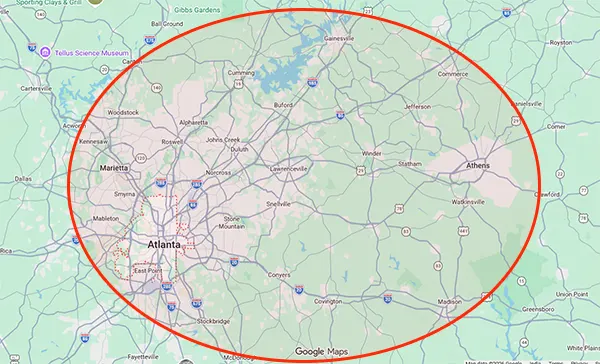
If your LG refrigerator is still not cooling, Comfort Appliance Repair is here to help. We provide reliable refrigerator repair service across Covington, Buford, Lawrenceville, and surrounding communities.
Call (678) 480-5406 today to schedule service. If you’re searching for dependable Atlanta refrigerator repair, our local technicians are ready to diagnose the problem and get your LG refrigerator cooling properly again.
By Dennis Godynuk, Owner of Comfort Appliance Repair
Dennis Godynuk is the owner of Comfort Appliance Repair in Covington, GA. Comfort Appliance provides fast and reliable repair services for all major household appliances. Dennis and his team of experienced technicians can tackle any problem, from broken refrigerators to malfunctioning dishwashers, and their prices are very competitive. Customers can rest easy knowing that their appliances are in good hands when they call Comfort Appliance Repair.