
How to Clean Your Appliances Without Harmful Chemicals
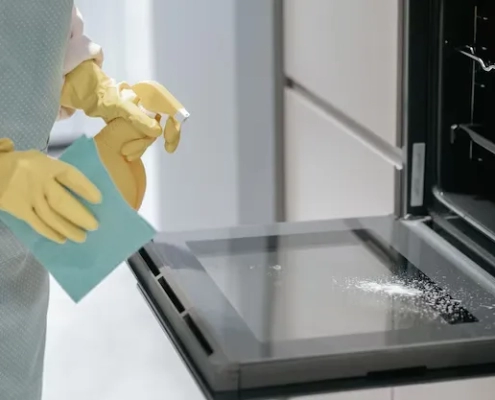 Keeping your appliances clean helps them last longer, work better, and look fresh in your home. But many store-bought cleaners use harsh chemicals that can harm your health, your family, and even your appliances. The good news is that there are safe, effective ways to clean your kitchen and laundry appliances without those strong chemicals.
In this guide, we’ll show you simple, natural cleaning methods for common household appliances. These tips are easy to use, safe for kids and pets, and gentle on your machines.
Article Summary
- Why Choose Natural Cleaning Methods
- Safe Supplies You Can Use at Home
- How to Clean Your Refrigerator Safely
- Tips for a Fresh and Safe Dishwasher
- Natural Ways to Clean Your Oven
- Washing Machine and Dryer Cleaning
- Small Appliance Cleaning Tips
- When to Call Comfort Appliance Repair
1. Why Choose Natural Cleaning Methods
Many chemical cleaners release strong fumes and can leave behind residues on surfaces where you store food or clothes. Over time, they can also damage the inside of your appliances. Using natural cleaners not only protects your health but also keeps your appliances in better shape. It’s a win-win for your family and your budget.
For more ways to save money and extend the life of your appliances, check out our guide on how maintenance saves money on repairs.
2. Safe Supplies You Can Use at Home
You don’t need fancy supplies to clean your appliances naturally. Most of what you need is already in your kitchen cabinet. Some of the best natural cleaning agents include:
- Baking soda – great for scrubbing and removing odors.
- White vinegar – helps dissolve grease, soap scum, and mineral deposits.
- Lemon juice – adds freshness and helps break down grime.
- Warm water – the simplest and safest cleaner of all.
- Microfiber cloths – gentle for wiping surfaces without scratching.
3. How to Clean Your Refrigerator Safely
Your refrigerator stores food, so it’s one of the most important appliances to clean without chemicals.
- Empty shelves and drawers – Remove food and detachable parts.
- Wash removable parts – Use warm water and mild dish soap.
- Wipe inside – Mix equal parts vinegar and water in a spray bottle. Spray and wipe with a cloth.
- Remove odors – Place an open box of baking soda inside to absorb smells.
If your fridge still isn’t cooling right after cleaning, it may need more than a wipe-down. Here’s how to tell if it’s time for refrigerator repair.
4. Tips for a Fresh and Safe Dishwasher
Dishwashers can collect grease, soap buildup, and even mold. Here’s how to clean it naturally:
- Clear debris – Check and clean the filter.
- Vinegar rinse – Place a cup of white vinegar in a dishwasher-safe bowl on the top rack. Run a hot cycle.
- Baking soda boost – Sprinkle a cup of baking soda on the bottom and run a short cycle.
This removes odors, clears buildup, and keeps dishes sparkling without chemicals. If your dishwasher still isn’t draining, see our post on 6 reasons your dishwasher won’t drain.
5. Natural Ways to Clean Your Oven
Chemical oven cleaners can be especially harsh. Instead, try this simple method:
- Make a paste – Mix baking soda and water.
- Apply – Spread the paste inside the oven, avoiding heating elements.
- Let sit overnight – The baking soda will loosen grime.
- Wipe clean – Spray with vinegar and wipe away with a damp cloth.
Not only is this safer, but it also keeps your oven free from strong chemical smells that can stick to your food.
6. Washing Machine and Dryer Cleaning
Laundry appliances need regular cleaning, too.
- Washing machine: Run a hot cycle with two cups of white vinegar to break down detergent buildup. Then run another cycle with half a cup of baking soda to remove odors.
- Dryer: Empty the lint trap after every load. Wipe the drum with a damp cloth and mild vinegar solution. For deeper cleaning, vacuum lint around the vent and hose.
If your washer starts making odd sounds or stops spinning properly, it might be one of the appliance warning signs you should never ignore.
7. Small Appliance Cleaning Tips
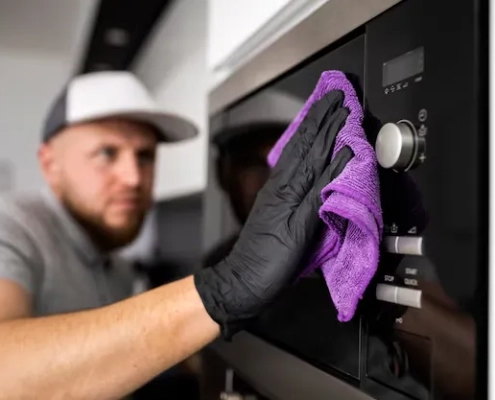 Coffee makers, microwaves, and toasters also need regular care.
- Coffee maker: Run a cycle with equal parts vinegar and water, followed by two water-only cycles.
- Microwave: Heat a bowl of water with lemon slices for 5 minutes, then wipe away softened splatters.
- Toaster: Unplug, empty crumbs, and wipe surfaces with a damp cloth.
Always unplug small appliances before cleaning to stay safe.
8. When to Call Comfort Appliance Repair
Regular cleaning helps appliances run smoothly, but sometimes deeper issues require professional care. If your appliances are making unusual noises, not heating or cooling properly, or showing signs of breakdown, it’s time to call the experts.
At Comfort Appliance Repair in Covington, Georgia, we provide reliable service for all major appliances. Our team can diagnose problems quickly and make repairs that save you money compared to full replacements. Plus, with our experience and customer-first approach, you’ll get honest advice and dependable results.
To schedule your Atlanta appliance repair, call Comfort Appliance Repair today.
By Dennis Godynuk, Owner of Comfort Appliance Repair
Dennis Godynuk is the owner of Comfort Appliance Repair in Covington, GA. Comfort Appliance provides fast and reliable repair services for all major household appliances. Dennis and his team of experienced technicians can tackle any problem, from broken refrigerators to malfunctioning dishwashers, and their prices are very competitive. Customers can rest easy knowing that their appliances are in good hands when they call Comfort Appliance Repair.